Why we exist
Too late to explore the world. Too soon to explore the galaxy. Right on time to begin a systematic exploration of the mind.
The opportunity
Our species is at a moment where the stakes of inner experience are rising, the tools for studying it are maturing, and the institutions of the last century cannot hold what comes next.
The work is concrete: build the connective tissue that lets the tools, the methods, and the data work together. The bottleneck has never been talent. It has always been infrastructure.
The forces are real. The moment is rare. The playbook from genetics is partially known. What follows is what those forces look like up close.
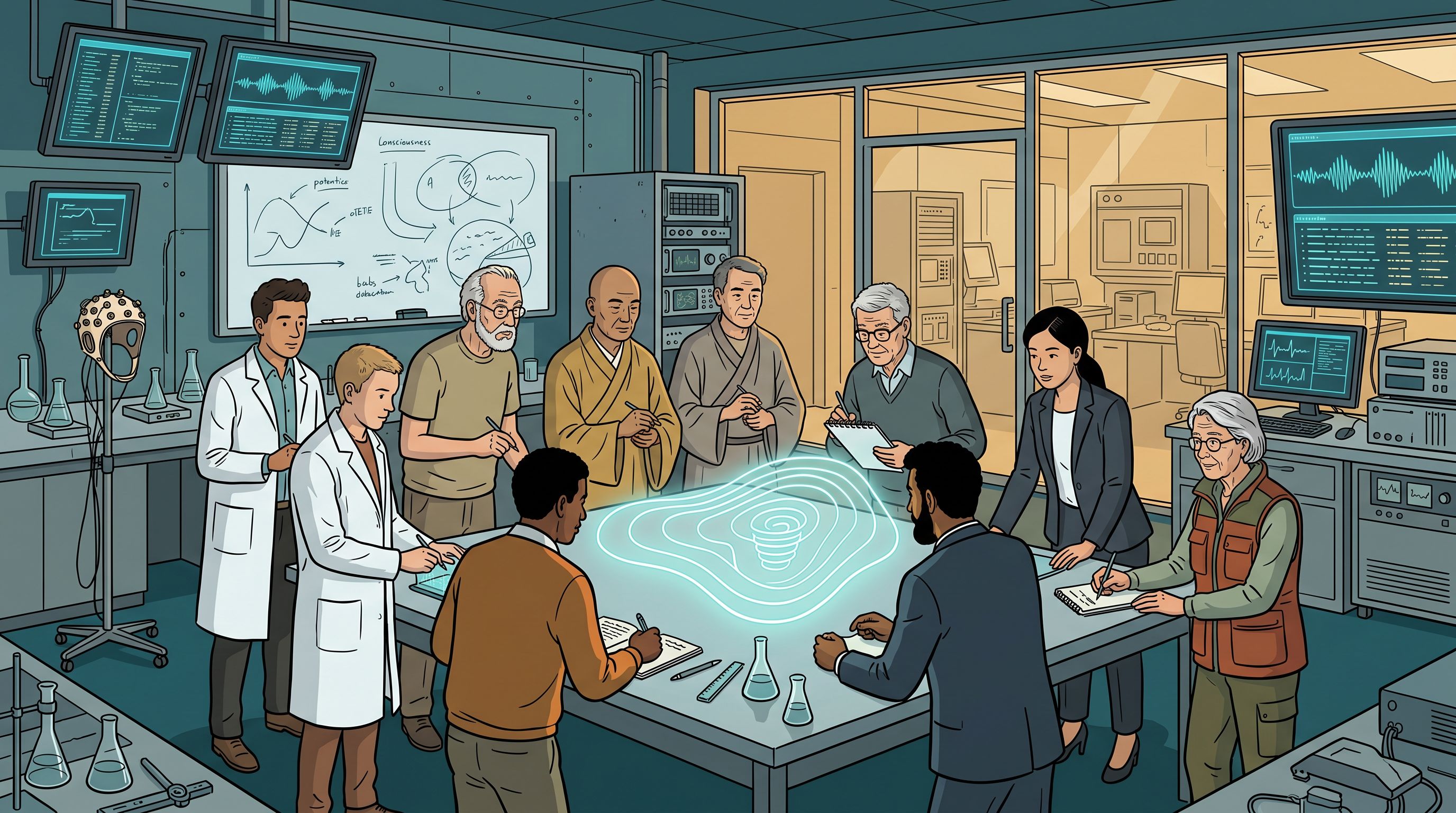
Four converging forces. One unprecedented infrastructure opportunity.
Mental Health at Civilizational Scale
More than 350 million people live with serious mental health conditions globally. The systems we have were built for a different problem at a different scale. New infrastructure is what makes new approaches possible.
Consciousness Renaissance
Psychedelic medicine and contemplative neuroscience are producing data of a kind never before available. No shared infrastructure exists to hold it, integrate it, or move it forward responsibly.
Multimodal AI
For the first time, AI can capture and analyze phenomenological experience: voice, biosignal, first person report, paired in time. The instrument is arriving the same decade the questions are becoming legible.
Data Sovereignty
Privacy is becoming law worldwide, but consciousness research requires our most intimate data. Without sovereign architecture, the data does not exist at the depth the science requires.
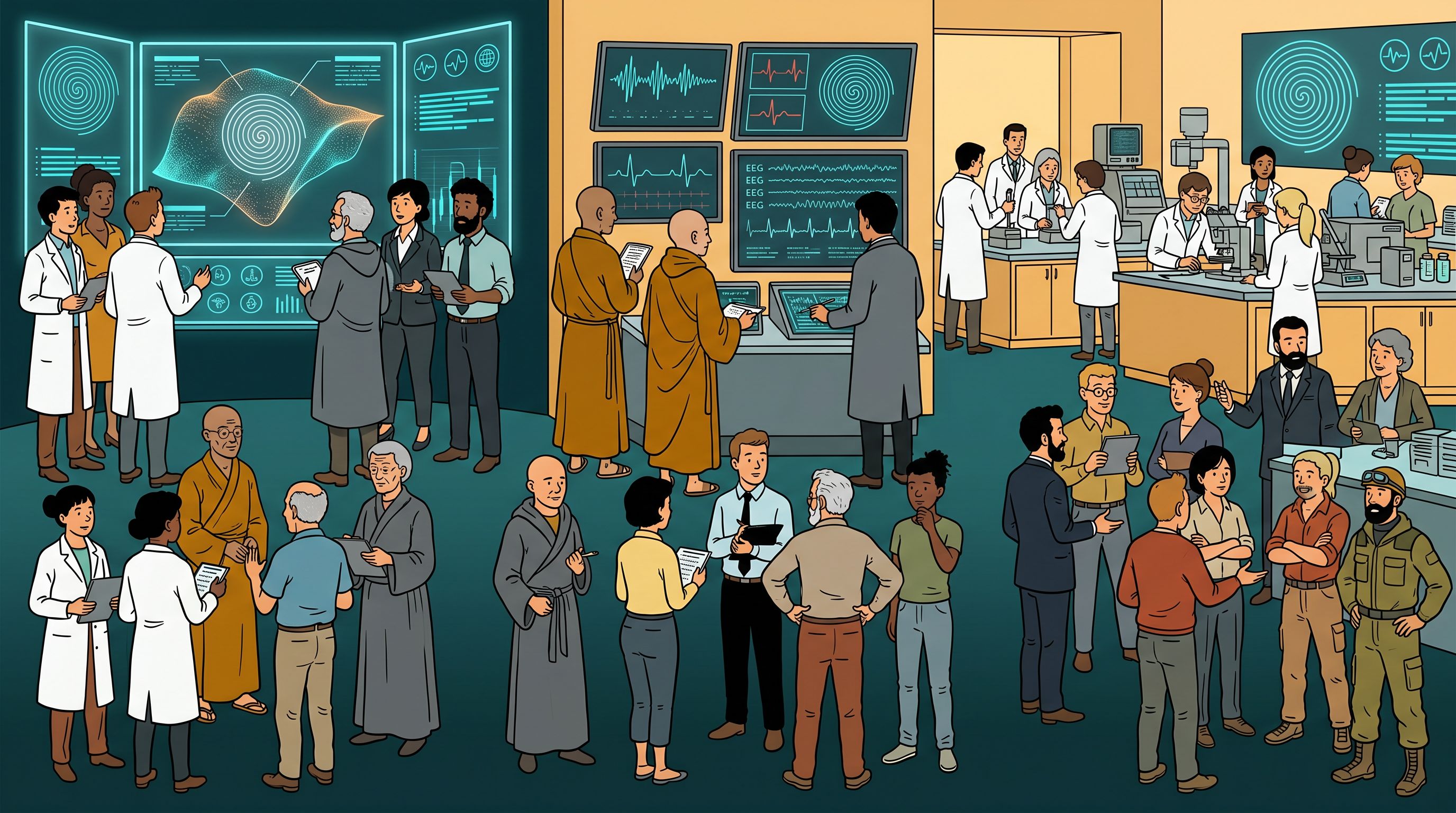
No existing institution is built to reconcile these forces. Sensoria is.
The approach
Sensoria is building the infrastructure that consciousness science currently lacks. Same playbook that transformed genetics.
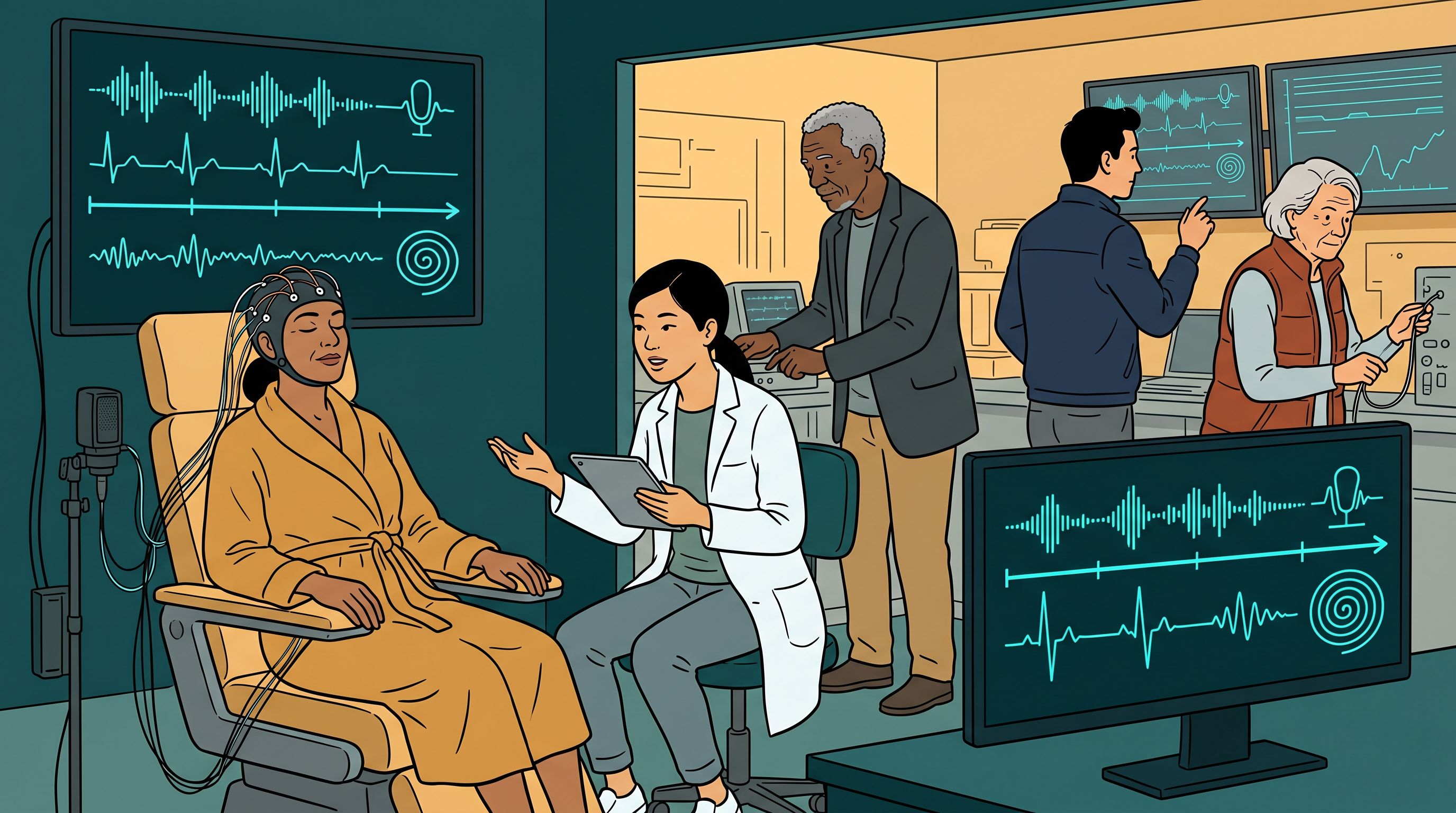
Consciousness science today is where genetics was in 1990. Brilliant work in isolated pockets, very little of it integrated. Each group reinvents methods, builds isolated datasets, publishes findings that cannot be combined.
The Human Genome Project did not happen because one lab decided to sequence everything. It happened because the field built shared standards, shared data, shared instruments. Once that infrastructure existed, every individual lab became more productive. The whole field accelerated.
Sensoria is building that layer for consciousness.
Sensoria is not building another lab or another app. It is building the connective tissue that lets every lab and every app work together.
State engineering as a discipline
Events, certification, and methodology that produce the highest fidelity phenomenological data we know how to gather. Where the science meets real experience.
Multimodal phenomenological tools
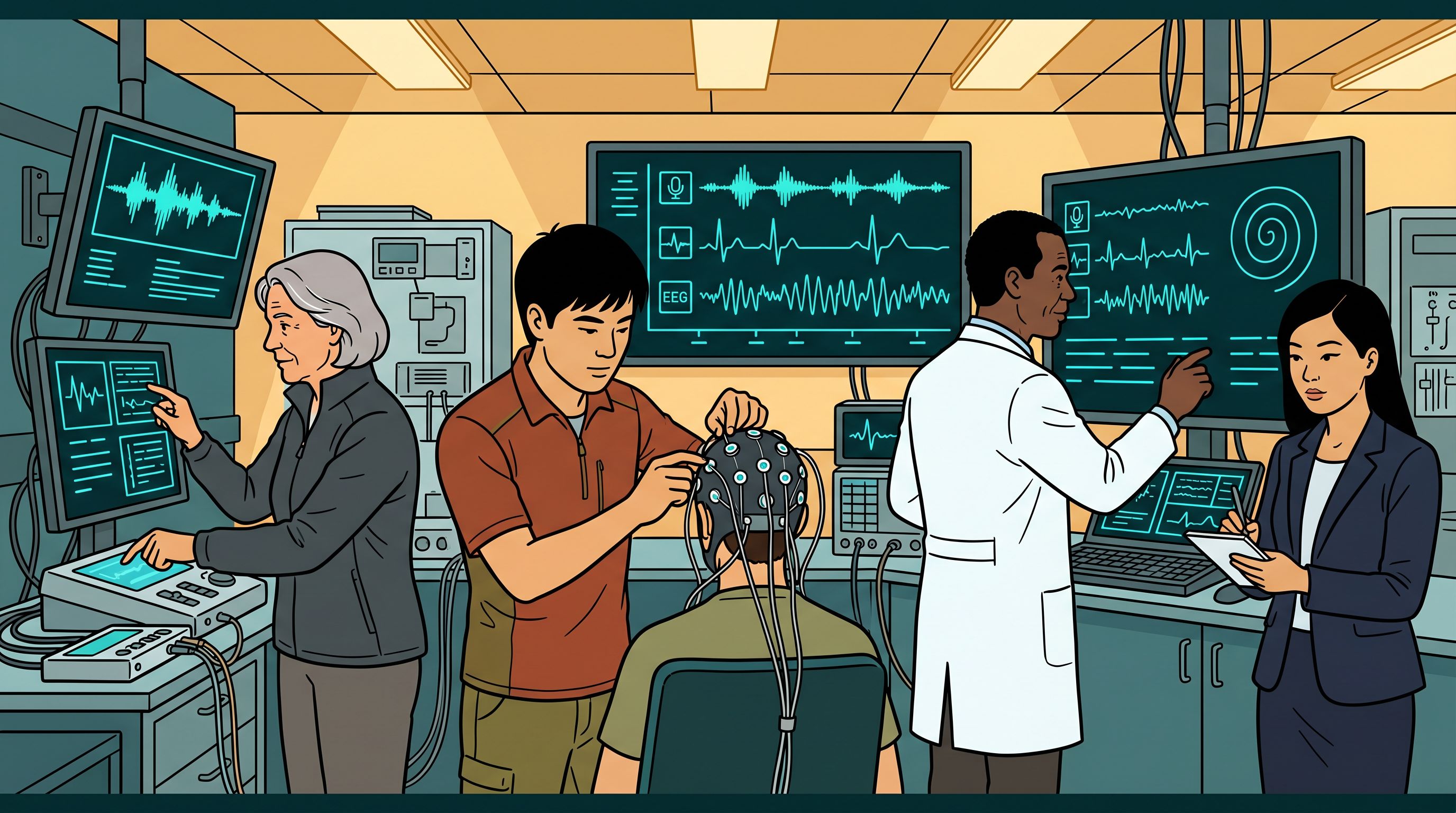
Adaptive interviewing, biosignal integration, and the Neurophenomenology Suite. Time aligned subjective and objective signal.
Data architecture worth trusting
The Sovereign Data Research Fabric. Encrypted personal vaults, computation that comes to data, dynamic and revocable consent.
The ecosystem
One mission. Three structures.
Sensoria operates as three entities bound by a shared mission. Each is structured for its specific role. A nonprofit cannot ship commercial products at speed. An LLC cannot accept tax-deductible grants. A PBC cannot run philanthropic programs without mission drift. The three-entity model solves this.
Sensoria Research
The science. Instruments, data, the NPSS map, publications, psychonaut certification, and grants.
Sensoria Experience
The ground truth. Events, retreats, state engineering, facilitation. Revenue generating entity producing high fidelity phenomenological data through designed containers.
Sensoria Innovation
The technology. Products, tools, apps, licensing. Mission locked by charter so revenue funds further development.
The invitation
What we conventionally call "sober" is uncontrolled navigation of state space.
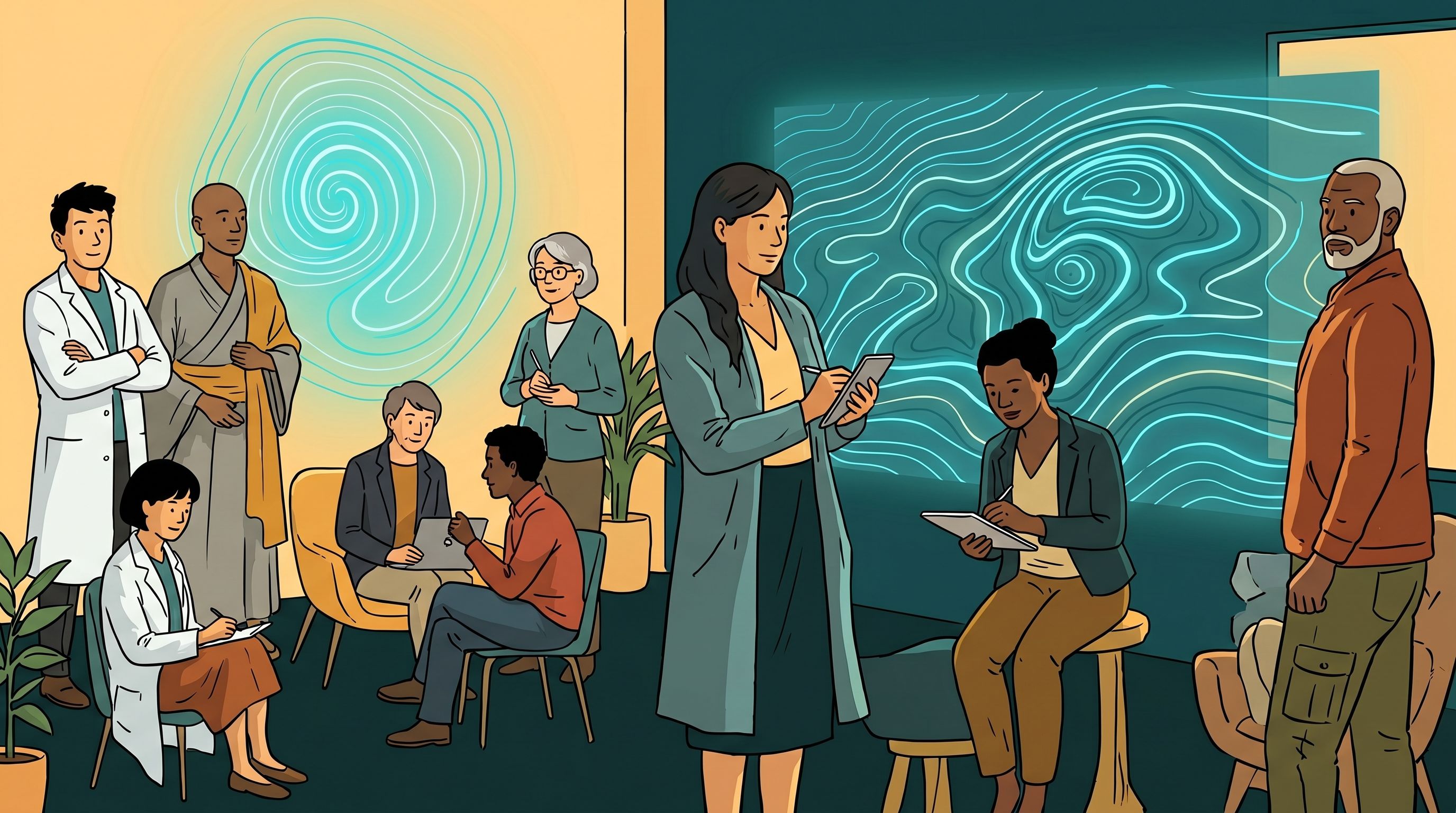
Most people traverse moods, attentional states, and drive states every day without knowing where they are, how they got there, or how to get somewhere better. That is as absurd as navigating the physical world without maps.
Sensoria's work is making that navigation legible, giving it the same dignity, rigor, and shared resources that any other domain of human inquiry has earned.
There are many ways to be part of it. Train as a calibrated observer. Support the work financially. Read the papers. Show up at events. Each is a real way in.
What we believe
Five principles governing what we build and what we refuse to build.
01 — Privacy is not negotiable.
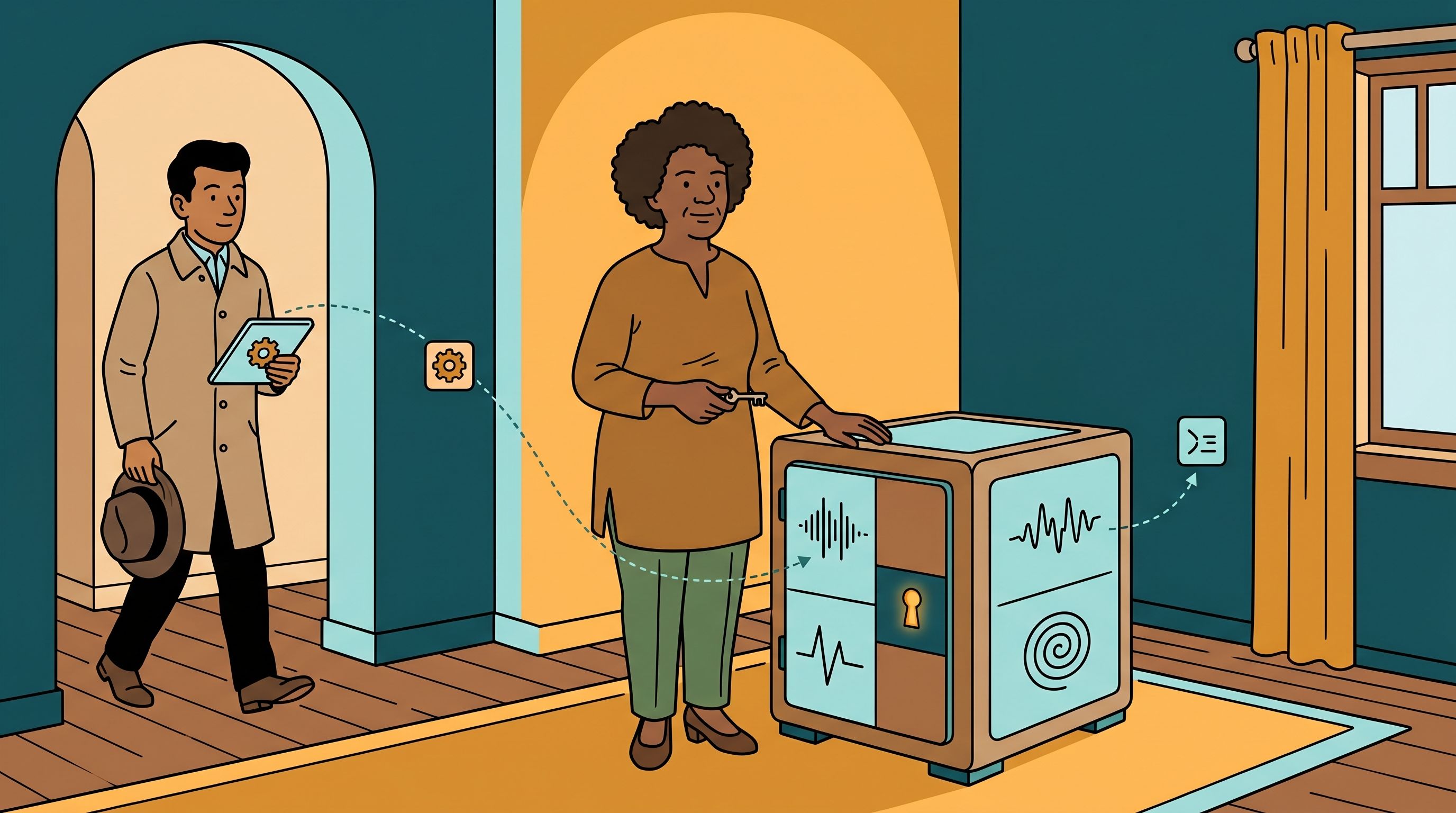
We decide what our private life is and what the data around it is used for. The burden of justification belongs to whoever wants access. This is a starting condition, not a feature. Every architectural decision downstream exists to honor it.
02 — Most values are invisible until they're offered.
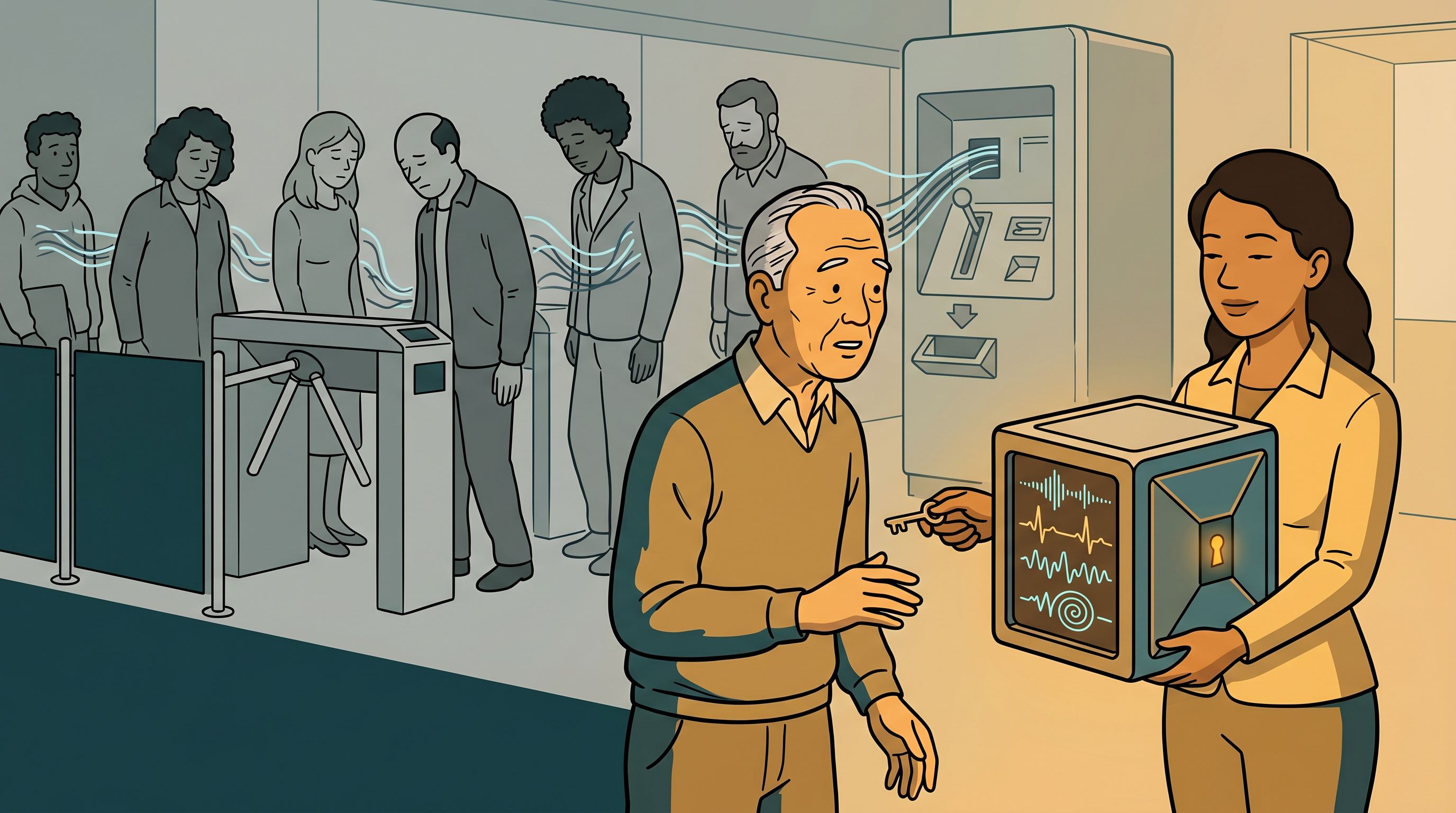
Many people don't realize they value sovereignty over their inner life because they've never seen another way. The consumer internet trained a generation to believe surrendering data is the cost of access. Part of the work is making the alternative visible.
03 — Working examples shift expectations more than arguments do.
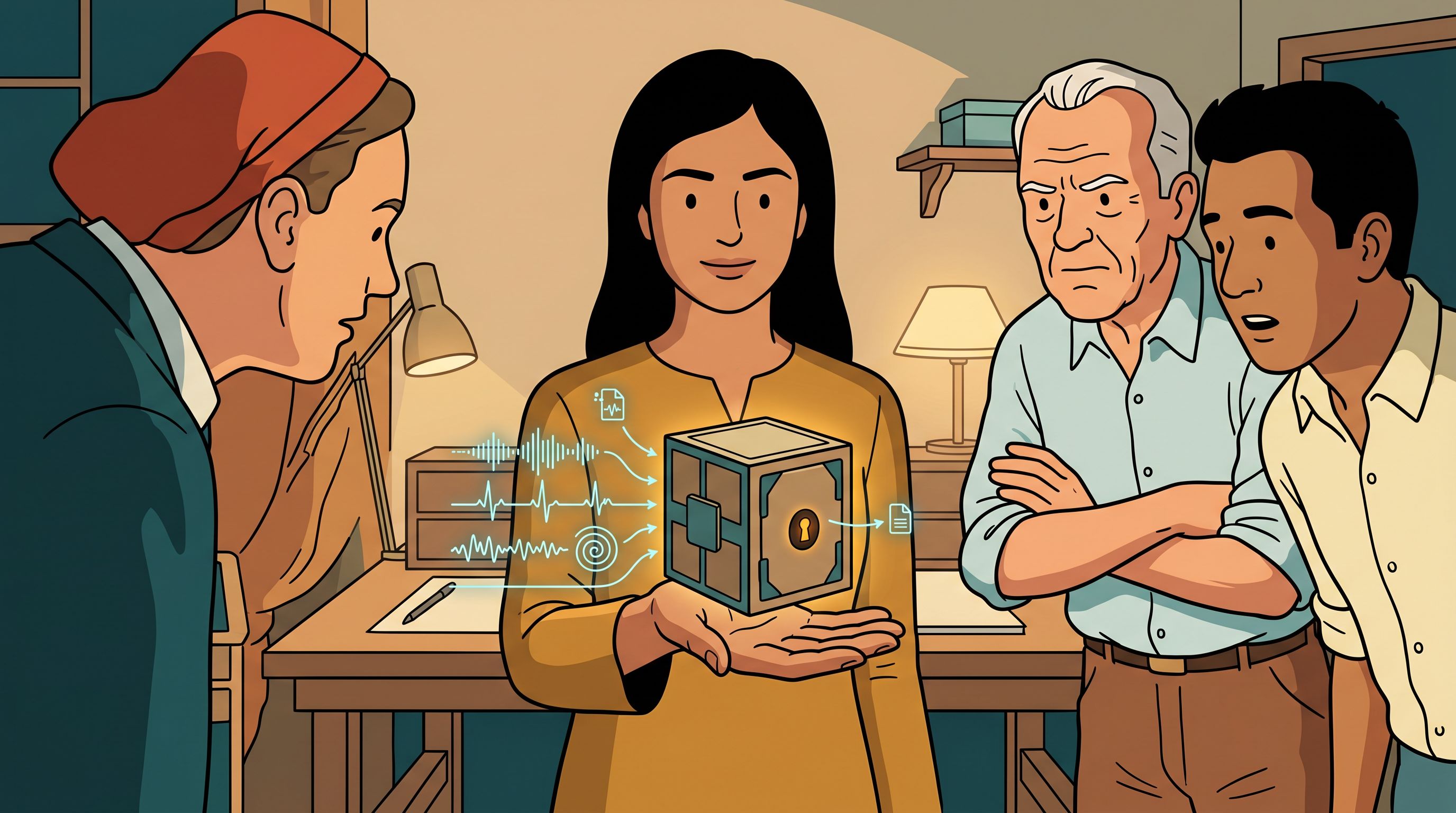
If the data architecture for the most intimate domain, your inner life, can be built sovereign by default, the question that follows is obvious: why doesn't everything else work this way? People are moved by holding something in their hand that proves the tradeoff they assumed was inevitable wasn't.
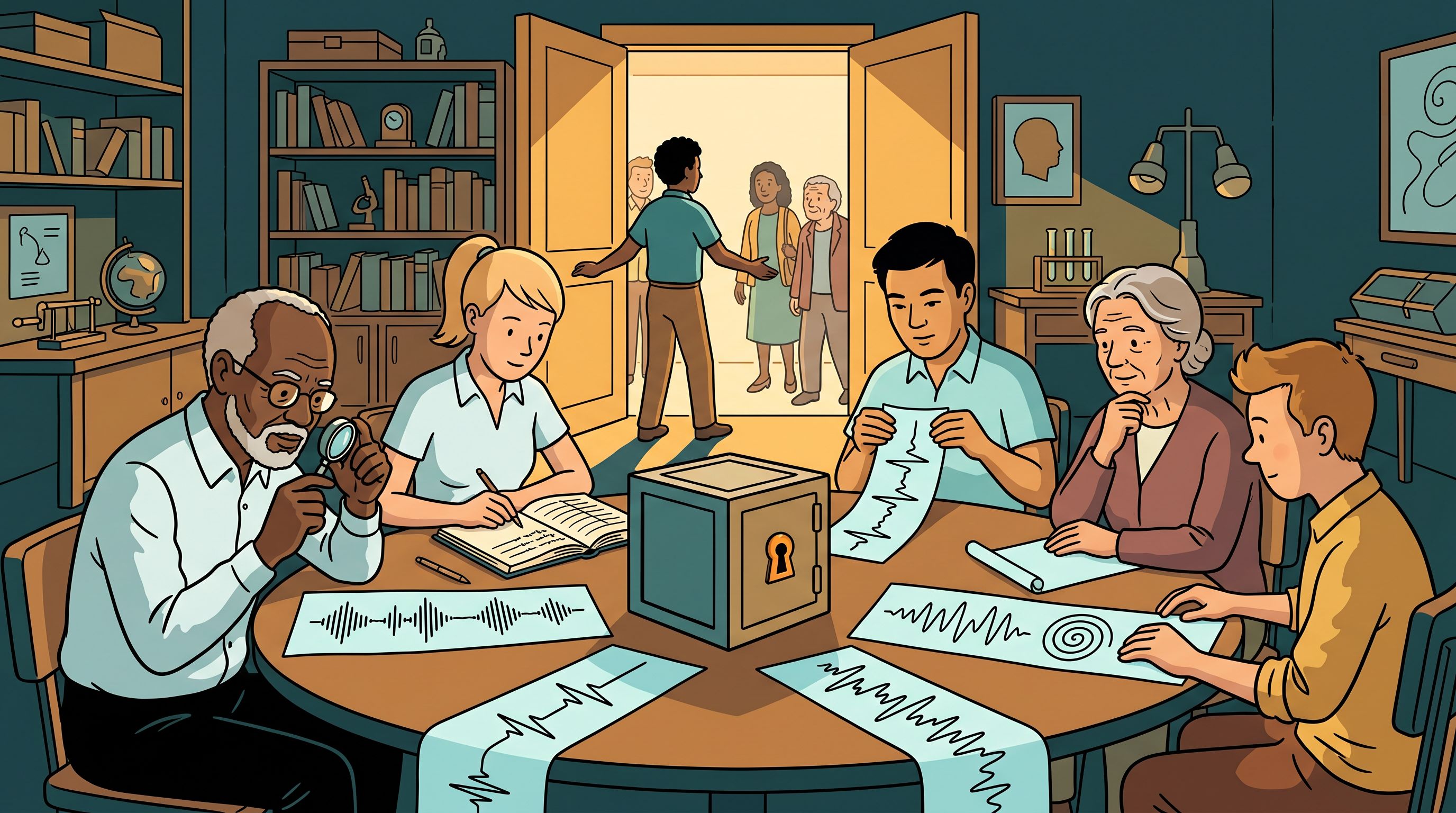
04 — Openness and rigor.
Consciousness science needs both. Most institutions pick one and call it virtue. Openness attracts the right people and the right questions to a field that has been gatekept for decades. Rigor makes the work credible enough to last, to be cited, to compound. One without the other produces either an in-group or a vacuum.
05 — Profound experiences require containers.
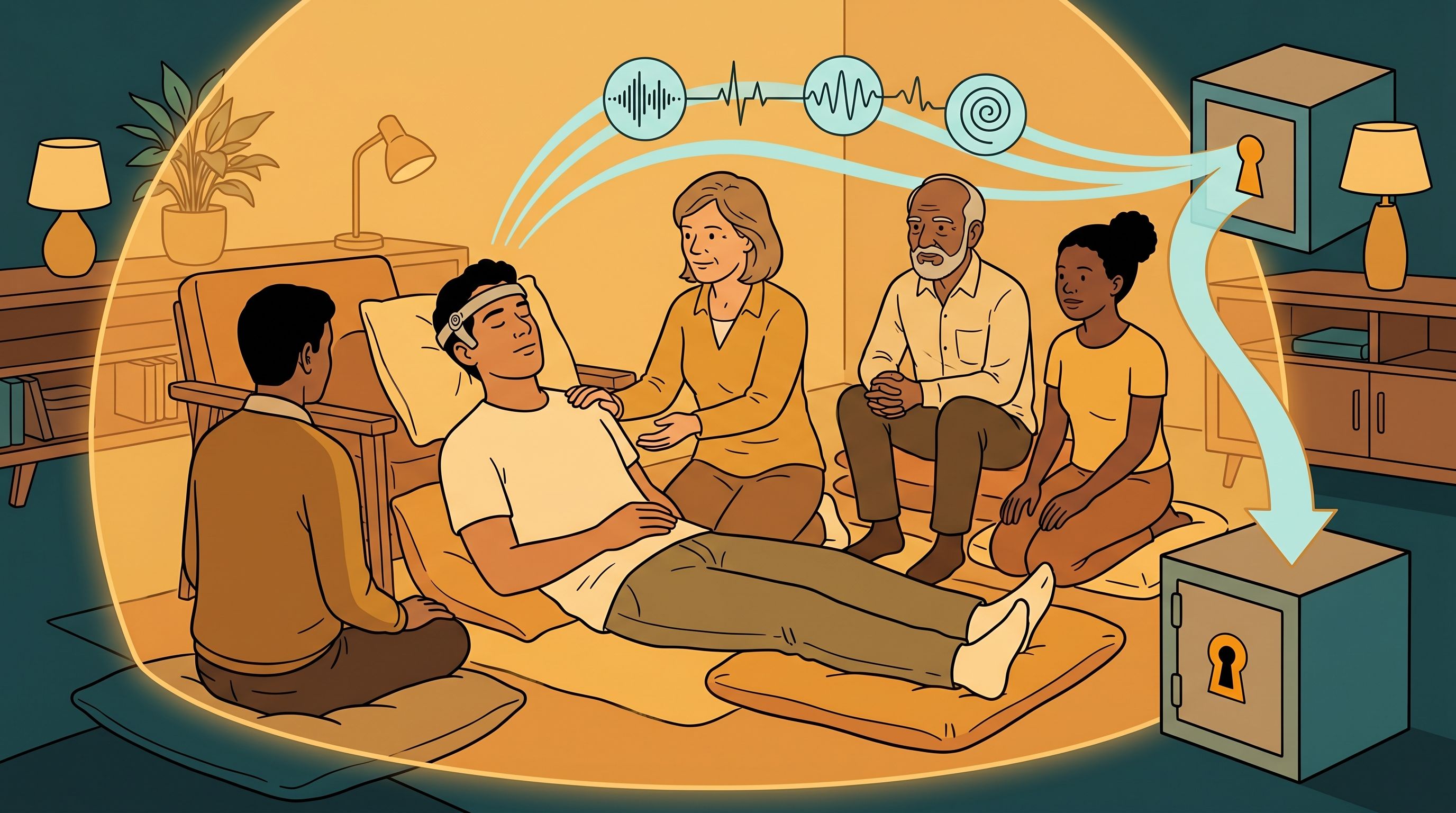
Uncontained transformative experiences tend toward two outcomes: adverse events that hurt people, and grandiosity that hurts the field. The 1960s showed both. We design for containers, events with intentional preparation, peer presence, integration, and a methodology for capture, because containers are what make experiences compound rather than disperse.
If these resonate, there is a place for you.
There are many ways to contribute. Pick the one that matches what you have to give.