What we hold
Five principles that govern how we make decisions, what we build, and what we refuse to build. Most organizations describe what they do. These describe how we do it.
Privacy is not negotiable.
Privacy is not a feature. It is not something we earn by having nothing to hide. It is ours by default.
We decide what our private life is, and what the data around it is used for. The burden of justification belongs to whoever wants access, not to the person who already has it.
This is not a marketing position. It is a starting condition. Every architectural decision downstream of this principle, the vaults, the consent model, the design of the agent, exists to honor it.
We shouldn't have to justify privacy. It's a matter of human dignity.

Most values are invisible until they are offered.
Economists call this revealed preference. It is the gap between what people say they want and what they choose when given the actual choice.
Many people don't realize the extent to which they value sovereignty over their inner life, not because they don't, but because they have never been shown that another way is possible. The infrastructure of the consumer internet has trained a generation of users to believe that surrendering data is the cost of access.
Part of the work is making the option visible. Once people see what sovereignty looks like in practice, the question they ask afterward changes.
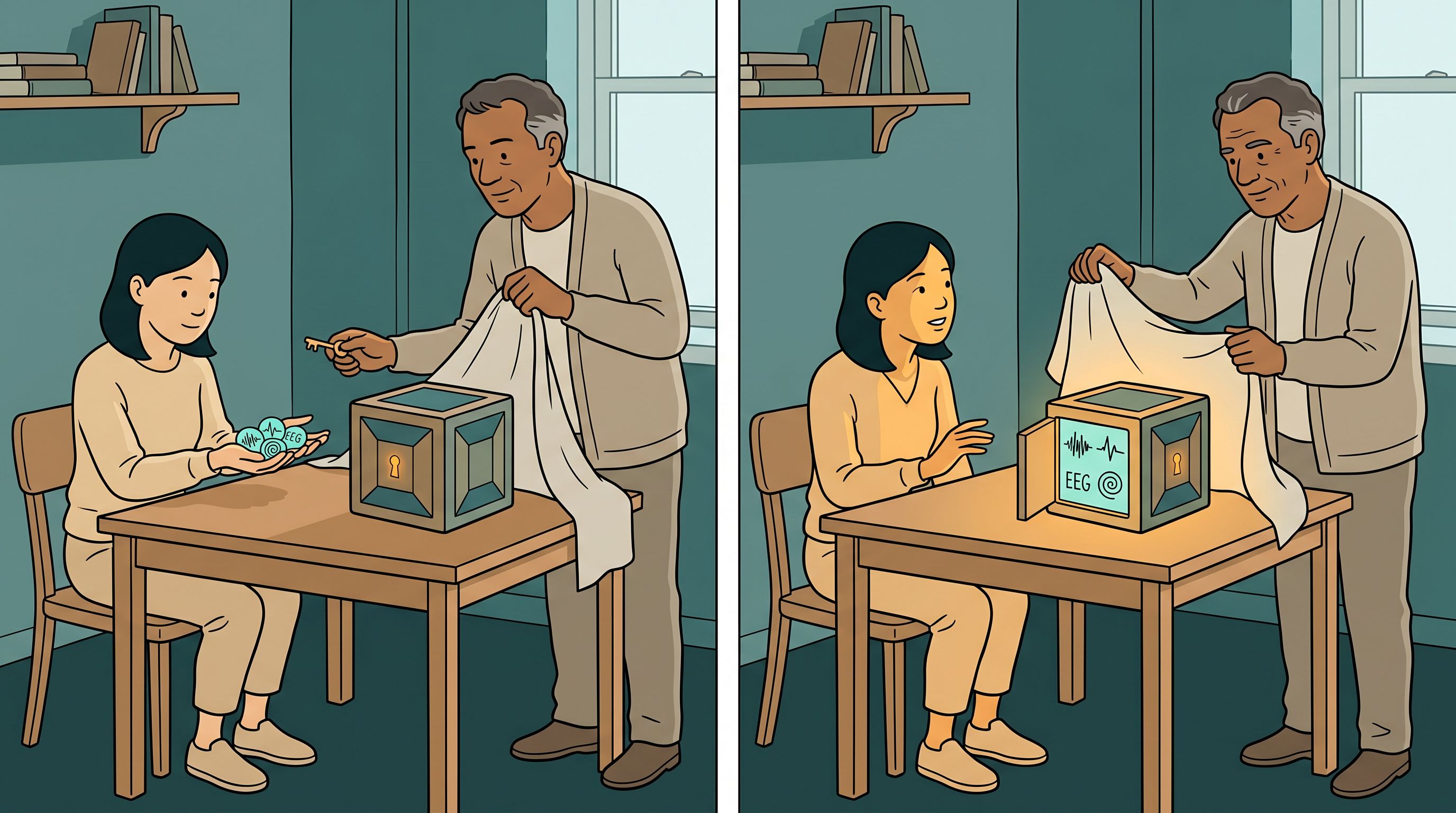
Working examples shift expectations more than arguments do.
If the data architecture for the most intimate domain, your inner life, can be built sovereign by default, the question that follows is reasonable. Why doesn't everything else work this way?
Building one thing the right way is not just useful in itself. It is a hopeful demonstration that the alternative exists at all.
Most people will not be moved by an argument about privacy. They will be moved by holding something in their hand that proves the trade off they thought was inevitable was not inevitable. We are not in the business of convincing. We are in the business of showing.

Openness and rigor.
Consciousness science needs both. Most institutions choose one and call it virtue.
Openness is what attracts the right people, the right questions, the right curiosity to a field that has been gatekept for decades. Rigor is what makes the work credible enough to last, to be cited, to compound.
One without the other produces either an in-group or a vacuum. We hold both. Methodology that meets the field's standards, paired with a stance that the field itself should be more accessible than it has been.

Profound experiences require containers.
Without structure, transformative experiences tend toward two outcomes: adverse events that hurt people, and grandiosity that hurts the field. The 1960s showed both.
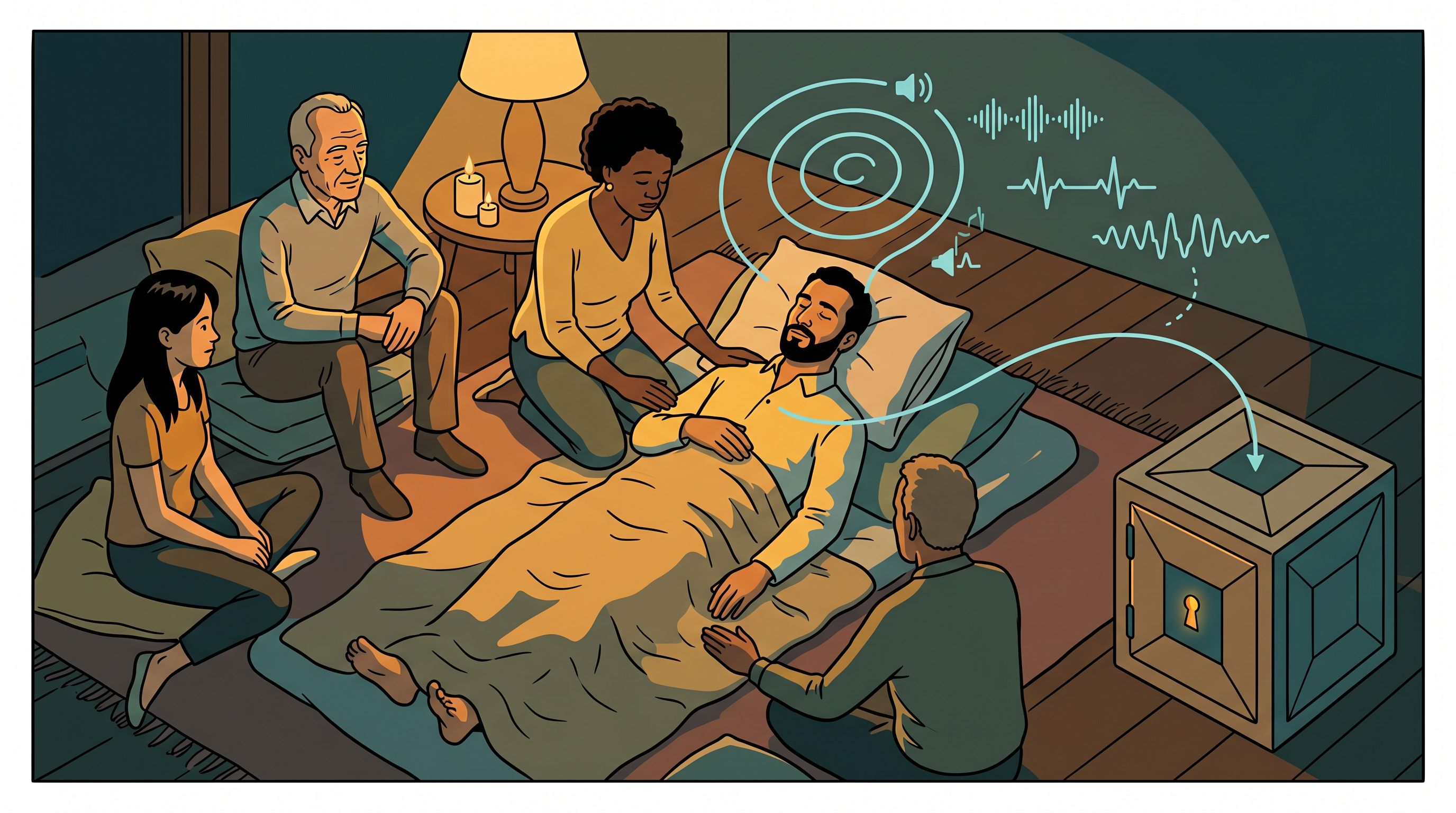
The work matters too much to repeat that mistake. We design for containers, events with intentional preparation, peer presence, integration, and a methodology for capture, because that is what makes the difference between an experience that compounds and one that disperses.
Containers are not a constraint on the work. They are the precondition for it.
If these resonate, there is a place for you.
Train as a calibrated observer. Support the work financially. Read the papers. Show up at events. Each is a way to operationalize what we hold.